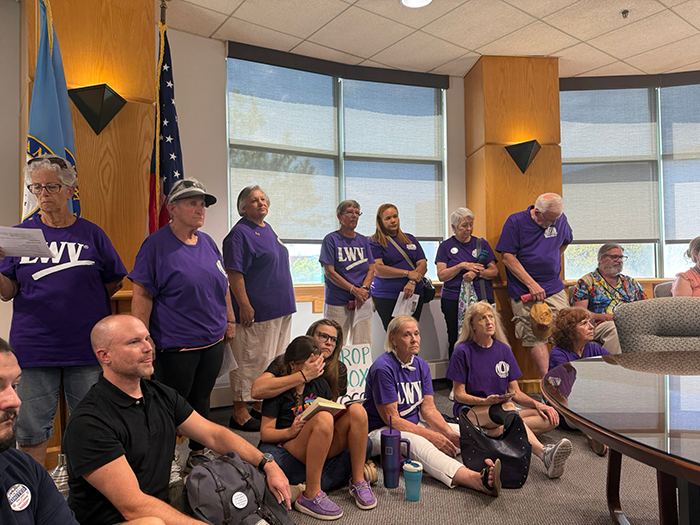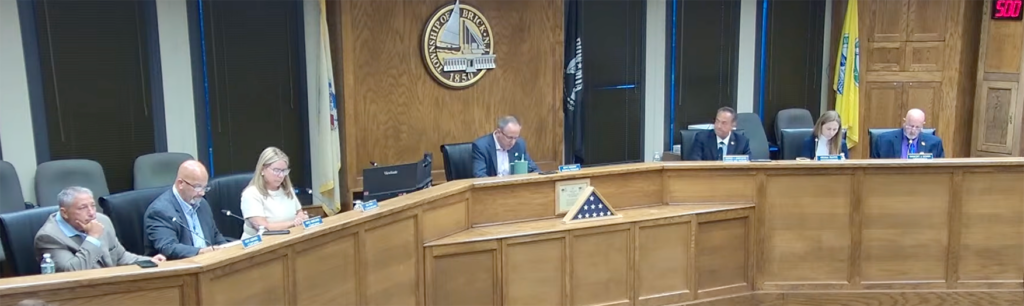

TOMS RIVER – A lawsuit first filed without an attorney by resident Philip Brilliant has resulted in a court order requiring Toms River to livestream its entire Township Council meetings, including public comment. Brilliant filed the case in May after the township repeatedly ended its YouTube broadcasts before public comment began.
Attorney Peter Van Dyke later took over Brilliant’s representation and argued that public comment was part of the meeting and therefore covered by the council’s livestreaming rule. In a September 16 written decision, Superior Court Assignment Judge Francis R. Hodgson Jr. agreed.
“The Township must record, livestream, and retain Council meetings on the Township’s YouTube channel in their entirety, including the public-comment portion, absent lawful amendment of that rule by the Council or further order of the Court,” Hodgson wrote.
The case expanded into a broader dispute over the division of power between Mayor Daniel Rodrick’s administration and the council majority. Additional issues involved the council’s attempt to appoint Noriko Kowalewski as Records Manager/Council Liaison and its retention of outside counsel. At the hearing, attorneys Jonathan Penney, Peter Pascarella and Jean Cipriani represented the township and administration defendants, while Jason Sena of Archer & Greiner represented the council.
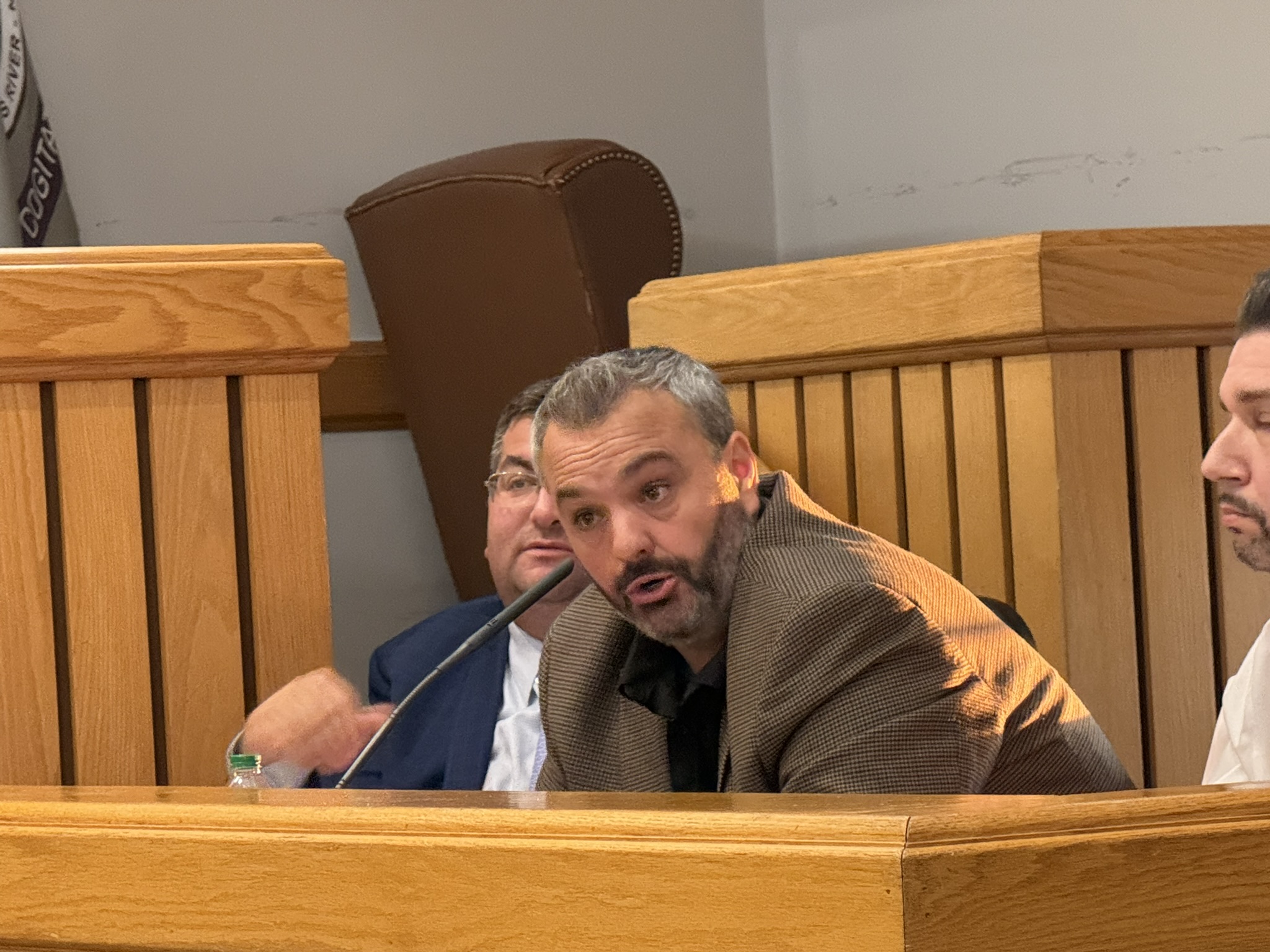
Public Comment
As previously reported, residents watching from home had become accustomed to seeing the broadcast end just before public comment. Rule 14, adopted by the council in a 4-3 vote on January 1, requires all meetings to be recorded, livestreamed on the township’s YouTube channel and left there for public viewing.
Rodrick maintained there was no state law requiring the township to broadcast its meetings. The administration also argued that the mayor controls township employees, including the information technology staff operating the livestream.
During the hearing, Hodgson pressed the township’s attorneys on whether that interpretation would allow the mayor to decide which portions of a meeting viewers could see. “Could he say, ‘Turn it on now, turn it off then’?” the judge asked.
Penney answered, “Yes, actually, yes,” before Pascarella clarified that no one was alleging the broadcast had been stopped based on the content of a particular speaker’s remarks.
Hodgson agreed that the Open Public Meetings Act does not require every municipality to livestream its meetings. However, he found that the Toms River council had the authority to establish its own meeting rules by resolution and that the mayor’s control over municipal employees did not allow him to disregard Rule 14. “The Mayor, acting alone, has no authority to refuse to enforce or modify that rule,” Hodgson wrote.
The judge also found that public comment could not be treated as separate from the meeting because state law requires municipal governing bodies to set aside part of each meeting for residents to speak. “Public comment is not an optional appendage to a meeting,” Hodgson wrote. “It is a statutorily required part of the meeting.”
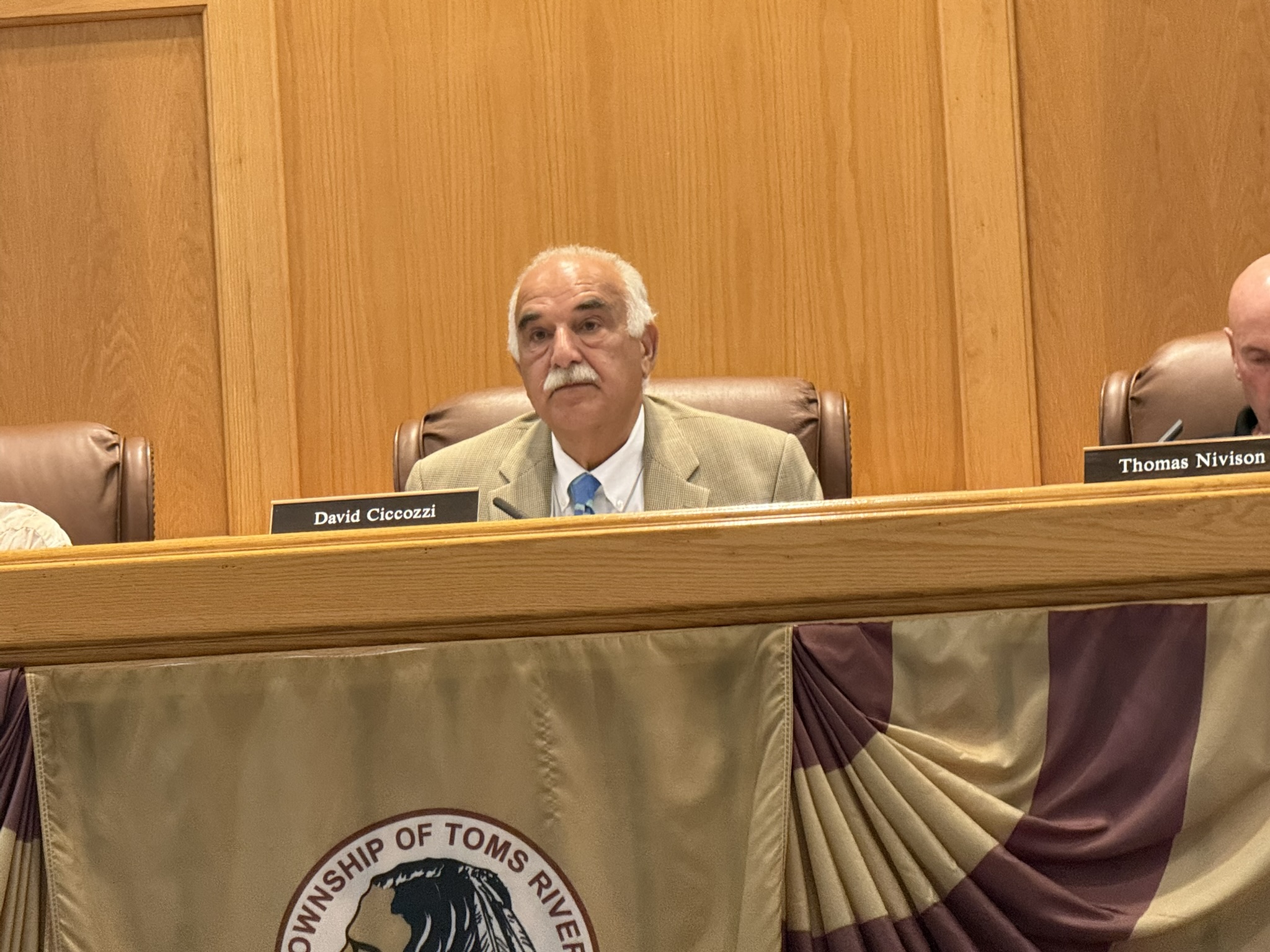
Council President David Ciccozzi agreed, calling public comment “the most important thing about the council meeting.” The ruling requires the township to broadcast and retain the full meeting unless the council lawfully changes its rule or the court issues another order. Rodrick was contacted twice for comment and did not respond.
The order means the mayor and township administrators cannot stop the broadcast before public comment unless the council lawfully changes its rule or the court issues another order. The recordings also must remain available on the township’s YouTube channel.
Rodrick was contacted on two occasions for comment regarding this article and did not respond.
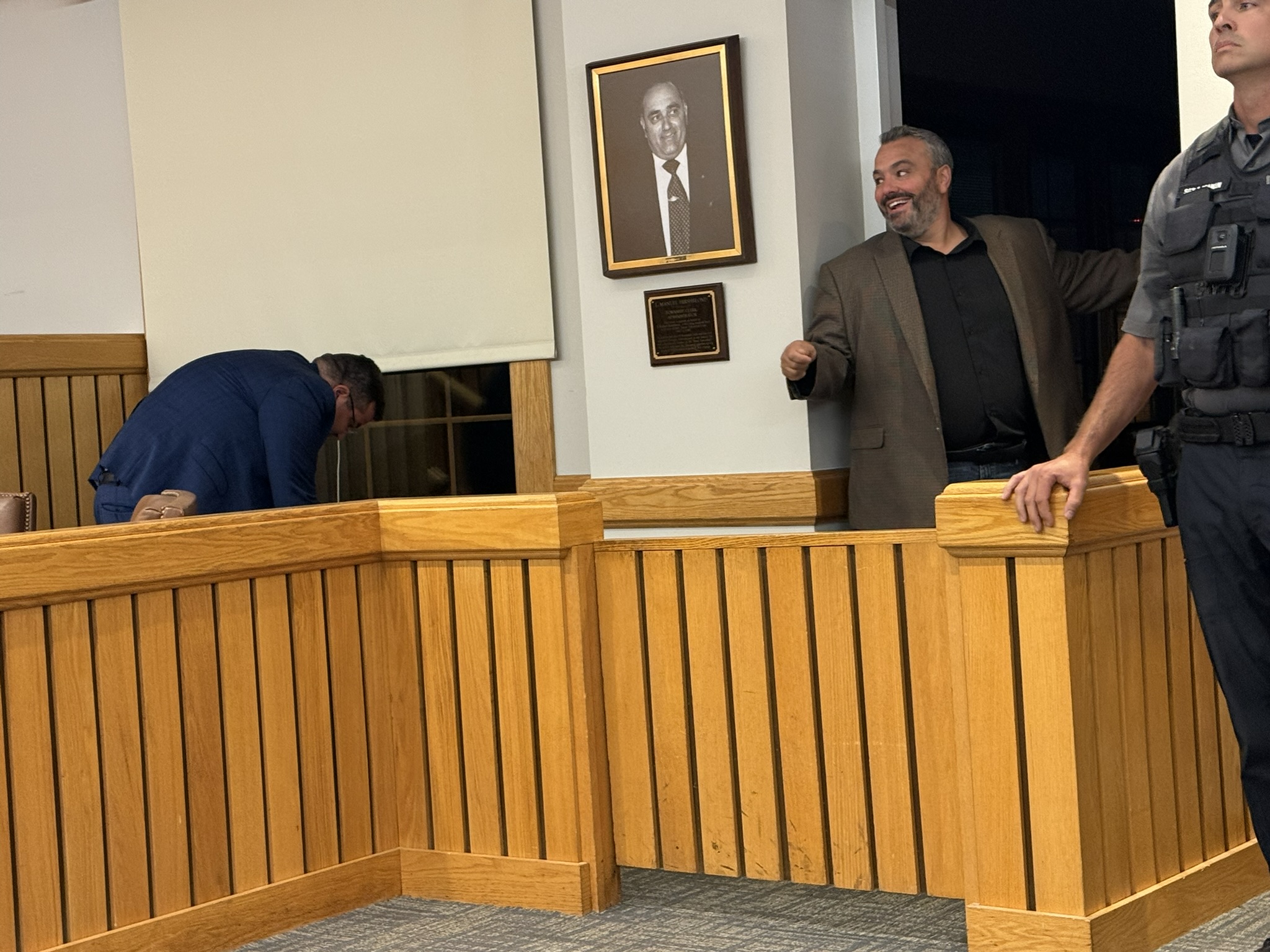
Council Sought To Force Kowalewski’s Hiring
The council did not prevail on its claim concerning Kowalewski, whom council members appointed by a 4-3 resolution on January 14. The resolution named her Records Manager/Council Liaison and set February 16 as her starting date. Kowalewski has worked for government offices before, such as former Congressman Tom MacArthur (R-3rd).
The council claimed the resolution made Kowalewski’s appointment legally effective, but that the mayor and administration improperly refused to process her hiring and place her on the township payroll. It asked Hodgson to declare the appointment valid, order the administration to complete her onboarding and award her retroactive pay.
Council members argued that township code gave them the authority to appoint the municipal clerk and subordinate employees within that office. They described the position as one intended to bridge a communication gap between the legislative and executive branches, assist members with records and support the council’s duties.
Hodgson focused his ruling on who had the legal authority to make the appointment. He found that the ordinance placed the records manager in the clerk’s office and under the clerk’s direction, and that performing some duties for council members did not make the position part of the council’s staff.
The administration maintained that the records manager was an administrative employee under the municipal clerk, not a council employee. Its attorneys also questioned whether the position was funded and whether Kowalewski met its educational and records-management requirements. Sena, the council’s attorney, submitted a certification from Councilman Clinton Bradley asserting that she exceeded the requirements, while Penney argued that her resume did not establish them.
“The Council’s authority to appoint the Municipal Clerk does not imply authority to appoint every subordinate or related employee in that office,” Hodgson wrote. He declined to order Kowalewski’s hiring or award back pay.
The judge also ruled that municipal counsel could not independently hire her through a council resolution when the council had not established its own authority to make the appointment.
Legal Bills
The remaining dispute concerns whether the council properly retained Archer & Greiner and whether the township must pay the firm’s bills. The council said it needed independent representation because its interests conflicted with those of the mayor and administration.
The administration argued that the council failed to follow the required contracting procedures and that the mayor ordinarily negotiates and signs professional services contracts. The council countered that mayoral appointees should not select its attorneys in a dispute against the mayor.
Hodgson found a genuine conflict that could justify independent counsel but said the record lacked enough information about the contracting requirements, scope of the appointment and process used to retain the firm.
Hodgson found there was a genuine conflict between the township’s legislative and executive branches that could justify independent attorneys for the council. However, he said the record did not contain enough information about the township’s contracting requirements, the scope of the firm’s appointment or the process used to retain it.
The judge therefore did not validate the council’s resolution or order the township to pay Archer & Greiner’s invoices. That portion of the case will continue while a more complete record is developed.
The ruling settles who controls the livestreaming of Toms River council meetings, but it does not end the broader power struggle at Town Hall. Questions surrounding the records manager appointment and responsibility for the council’s outside legal bills may require further court proceedings.
The post Judge Orders Toms River To Livestream Entire Council Meetings appeared first on Jersey Shore Online.