
STAFFORD – People struggling with addiction are often defined by their circumstances rather than who they are. Sea Change Recovery Community Organization is working to change that perception, and its latest effort brought together residents of different ages to discover how something as simple as creating art can encourage understanding and acceptance.
About two dozen people gathered at the Bay Avenue Community Center for “Art Lib-eration,” a family-friendly event designed to challenge the stigma surrounding substance use disorders. Most were adults, although a handful of youngsters joined the activities, including two high school students earning community service hours.
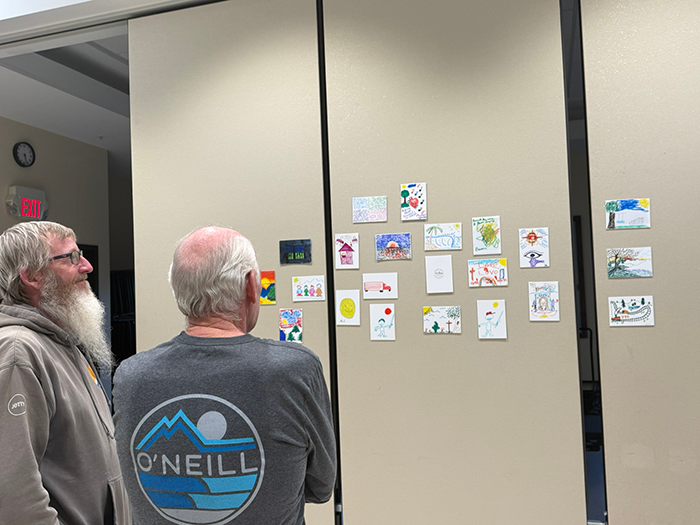
Armed with colorful markers and blank canvases, participants turned an afternoon of creativity into an opportunity to connect with others. Music played as people worked, chatted and admired one another’s creations. By the end of the gathering, their finished canvases formed a colorful collage celebrating individuality and connection.
More Than A Label
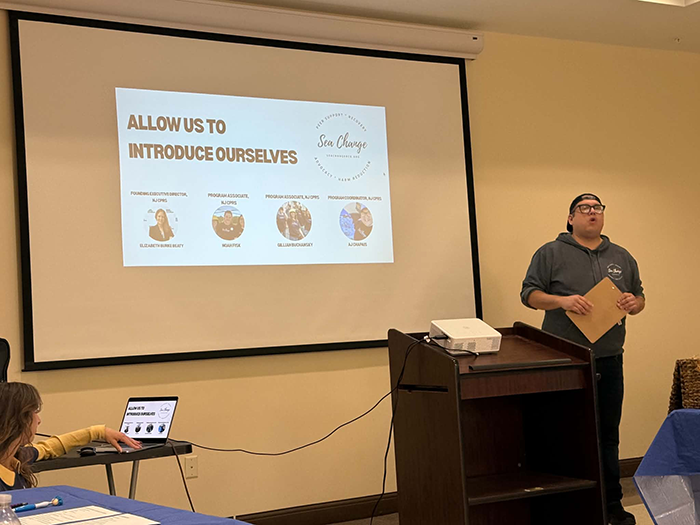
A.J. Chapais, a Sea Change program coordinator and certified peer recovery specialist, opened the afternoon by explaining how people struggling with addiction are often judged by circumstances that tell only part of their stories.
“Addiction is a health condition. It does not define who a person is,” he told participants.
Chapais, who shared that he is also a person in recovery, explained that stigma can leave people feeling ashamed, isolated and reluctant to seek help. Someone dealing with addiction is still a parent, friend, coworker or family member deserving of compassion.
“Struggling with addiction should never take away somebody’s right to be treated with dignity, to be treated with respect, to be treated with empathy,” he said.
He encouraged participants to consider how everyday language can reinforce negative stereotypes. Referring to someone as a person living with addiction rather than defining that individual as an addict is one way to recognize their humanity.
“One event is not going to erase stigma,” Chapais acknowledged, explaining that every respectful conversation makes it easier for someone to reach out for help.
Turning Words Into Artwork
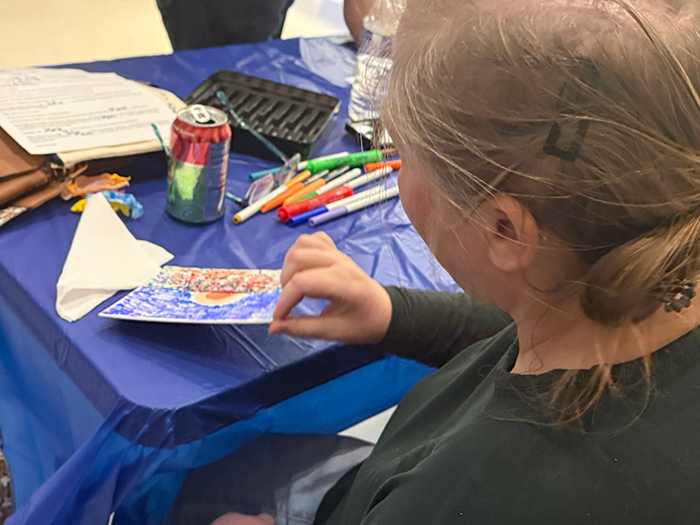
Rather than delivering a lengthy presentation, organizers turned the discussion into an interactive exercise. Adults received a modified version of the familiar Mad Libs word game, appropriately renamed “Art Libs.” Participants filled in six blanks before reading a story called “The Weight of Silence.” They were then encouraged to consider its message and translate their reactions into artwork.
Children received simpler assignments. They were asked to draw something representing friendship, love or whatever made them happy. “There’s no wrong way to do it. This is art. Just have fun with it,” Chapais encouraged the group.
As the afternoon progressed, the canvases filled with different interpretations of the exercise. Sea Change team members collected the finished pieces and displayed them together, creating a shared work from individual contributions. Participants also enjoyed refreshments and had their names entered into drawings for gift cards to local restaurants.
Recovery Through Connection
Among those attending was 48-year-old Joanne Rikin, who has been in recovery for two years and five months. She learned about Sea Change through Facebook and had previously attended several of the organization’s events.
“I’m a person in recovery myself, so any time there’s somebody that wants to help people like me, I’m happy,” she said. “I want to support that because I know what it’s like to feel like there’s something beyond you that you don’t have control over.”
Rikin has also faced significant health challenges, including four strokes during the past summer. Although she continues to experience some physical effects, she said she is making progress. Her experiences have strengthened her appreciation for organizations willing to offer encouragement rather than judgment.
“When people are supported when they are dealing with any kind of addiction, it makes it easier for them to make the positive changes in themselves to address it,” she said.
Rikin said 12-step programs have worked for her, but she recognizes that recovery is not the same for everyone. “You have to have other avenues available because everybody needs to be reached in different ways,” she said.
Meeting People Where They Are
Founded by Elizabeth Burke Beaty in 2021, Sea Change has grown into a recovery community organization and harm reduction center serving people throughout Ocean County, with locations in Barnegat and West Creek.
As previously reported by The Southern Ocean Times, Beaty’s commitment to helping others grew from her own recovery experience and community outreach work. The organization combines peer support with practical assistance, recognizing that recovery may involve challenges extending beyond substance use.
Its services include peer coaching, recovery meetings, advocacy, transportation assistance and connections to community resources. Sea Change also provides overdose prevention education, naloxone and other harm reduction supplies.
The organization’s philosophy is that people should not have to achieve sobriety before they deserve support. “At Sea Change, our motto is we meet you where you’re at,” Chapais explained.
Certified peer recovery specialists draw upon their own lived experiences to help individuals identify personal goals and work toward them. The organization also assists people who are still actively using substances, emphasizing safety and maintaining connections that may eventually lead toward recovery.
“You deserve connection, no matter what you’re doing day to day,” Chapais told the audience. He explained that maintaining those relationships can help people feel less isolated and more comfortable seeking assistance when they are ready.
A Community Effort
Sea Change founding executive director Elizabeth Burke Beaty expressed appreciation for the volunteers who helped make the afternoon possible. Her closing remarks captured the spirit of the gathering as she thanked attendees for “showing up, making art, having some food with us, and part of the solution together.”
The finished canvases reflected different personalities, perspectives and abilities, but together they conveyed the message organizers had emphasized throughout the afternoon. No single label tells a person’s entire story, and sometimes sharing a table, creating artwork and having a conversation can help people see one another differently.
The post Sea Change Uses Art To Fight Addiction Stigma appeared first on Jersey Shore Online.