

JERSEY SHORE – New Jersey’s ospreys are experiencing the “worst breeding season” in more than 30 years, according to Conserve Wildlife Foundation of New Jersey (CWFNJ), who say the blame could lie in the operations of offshore fisheries.
CWFNJ recorded the lowest osprey breeding season in 2025, with similar declines documented throughout the Mid-Atlantic. Of the known osprey nests that were monitored, 57% failed to reproduce.
Repeated nest failures and reproductive stress are linked to food stress. Ospreys prey on Atlantic menhaden, which encompass the largest industrial fishery by volume on the East Coast. This fish also supports predator and scavenger marine species on the Atlantic and Gulf coasts, such as humpback whales and dolphins, eagles and striped bass.
The Atlantic menhaden are not caught for human consumption, instead they are processed into fish meal and oil, which are used in livestock and pet foods, nutritional supplements and a variety of industrial products. When their product is valued more than their place in the ecosystem, the marine food web is offset, creating a rift in ospreys reproduction, said Ben Wurst of CWFNJ.
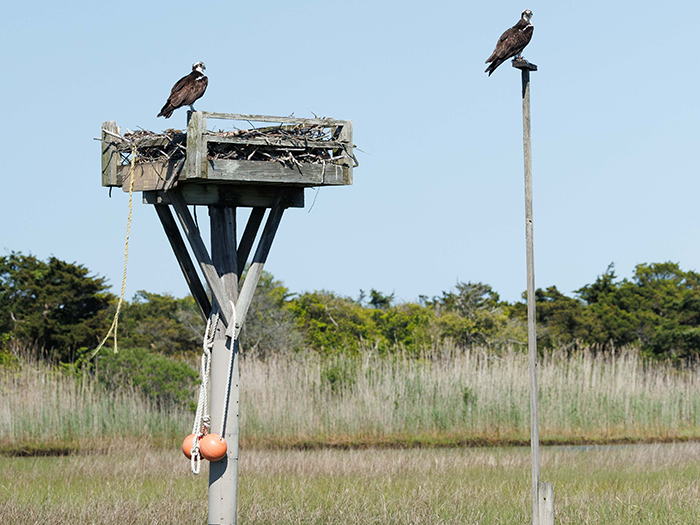
“The fish are mainly valued from an economical standpoint. When they’re removed from the water, it’s turned into a product,” he said. “But this fish, if you learn anything about it and just how crucial they are when left in the water, they’re much more valuable.”
Atlantic menhaden are “filter feeders,” improving water quality because of what they eat. Without this vital fish to keep the ecosystem stable, Wurst said ospreys and other species spend more time searching for food, ultimately causing a poorer breeding season.
“Ospreys nest in dense colonies on our waterways, near resources that normally would support them,” he said. “[Food stress] is causing them to not be able to breed or reproduce at the level needed to sustain the population.”
Despite their current food challenges, the osprey’s population is classified as a “least concern” on the International Union for Conservation of Nature’s Red List of Threatened Species, which indicates that their population is relatively stable. The birds are protected under the Migratory Treaty Act, which prohibits the taking or harming of these birds and their nests to allow for safe reproduction and growth.
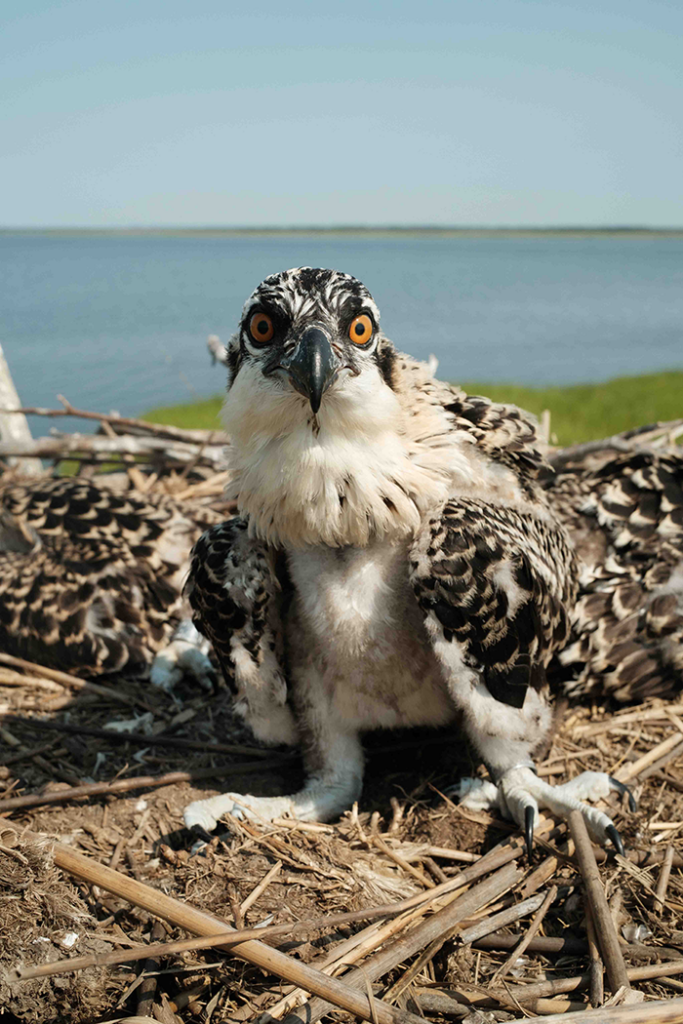
Wurst said ospreys’ population numbers may continue to shift, and that this shift is an indicator that the marine ecosystem is struggling because of the fisheries operations.
“So we might see a decline in ospreys, the population may dwindle a little a bit,” he said, “but it really depends on the management of this fishery and whether or not fishery managers will decide on whether to impose new regulations or catch limits.”
The Atlantic menhaden’s population is handled by the National Oceanic and Atmospheric Administration (NOAA). The NOAA assesses and predicts the status of fish stocks, implements catch limits, and works with fisheries to recover protected marine species while allowing economic and recreational opportunities. They also set quotas to decide how much of a species can be harvested for production or preserved.
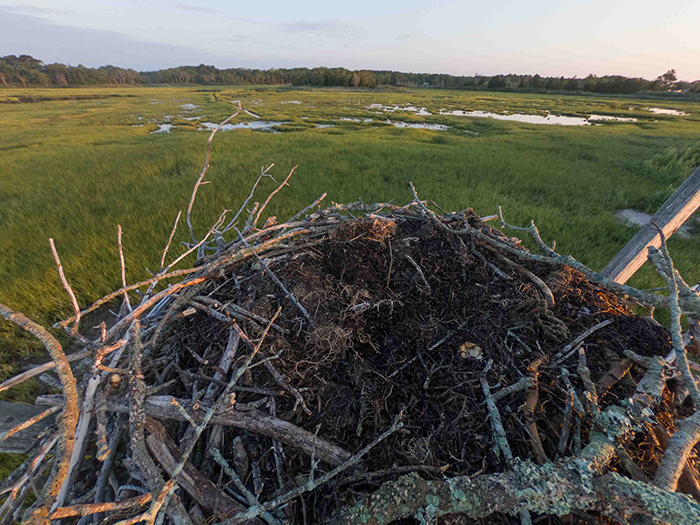
Wurst said the Atlantic menhaden are due for protection to prevent other populations in our local ecosystem from dwindling.
“It seems like a good time for some more precautionary actions, maybe leaving more fish in the water,” he said. “Because they say the fishery is healthy, it’s not overfished, but the fish are just not here, and we’re seeing that through the lens of the osprey, with their failed reproduction.”
The post Ospreys In Decline As Food Becomes Scarce appeared first on Jersey Shore Online.